
Building Information Modeling (BIM) is revolutionizing how products are chosen and used throughout the design and construction lifecycle. By creating detailed 3D models of your products and enriching them with valuable product data, BIM not only enhances visualization but also helps AEC (Architecture, Engineering, and Construction) professionals make informed product decisions and streamline project workflows.
If you're a building product manufacturer, you've likely heard of BIM. You may already have BIM models available for your products, or you may be exploring the benefits of developing them. To help you build a stronger BIM strategy, we've gathered answers to the 9 most common questions we get about BIM.
- What is BIM and why does it matter?
- What is digital twin technology, and how does it connect to BIM?
- Am I missing opportunities to get specified by not providing BIM models for my products?
- How can I create new BIM models for my products?
- How can I tell if my BIM models meet current industry standards?
- What's the difference between good BIM content and great BIM content?
- How can I make my BIM models easy for specifiers to find and download?
- After investing in BIM content, how can I maximize my ROI?
- What role will AI and automation play in the future of BIM modeling?
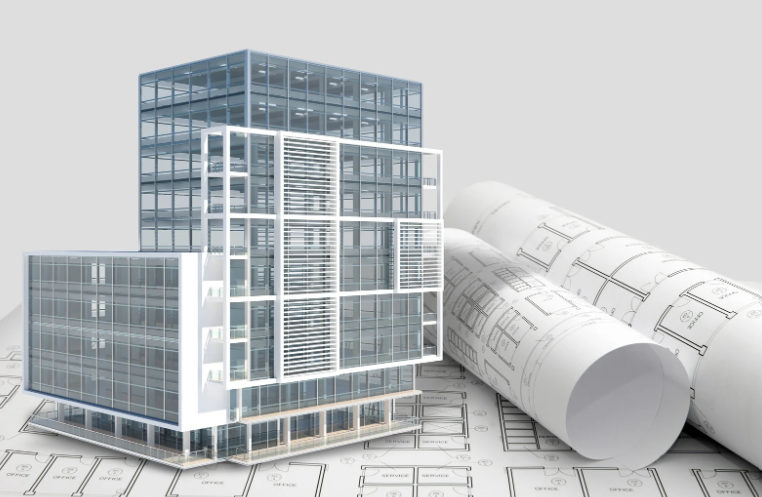 Photo by Maxiphoto on Canva
1. What is BIM and why does it matter?
BIM transforms static design files into living, data-rich models that connect every phase of a building’s lifecycle—from design and construction to operation and maintenance. How? By combining 3D geometry with detailed product and performance data in software like Revit and ArchiCAD.
Why does this matter? Because an increasing number of AEC professionals expect manufacturers to provide BIM content. The reason is simple: BIM makes their jobs easier. Research has shown that BIM adoption for design teams in the U.S. leads to a:
- 25% increase in productivity
- 5% increase in construction speed
- 30% reduction in project delays
Beyond these measurable gains, BIM delivers a range of valuable benefits like reduced rework, seamless integration of design changes, improved collaboration and information sharing among project stakeholders, and more effective project scheduling and coordination. (Source: PlanRadar).
2. What is digital twin technology, and how does it connect to BIM?
A digital twin is a dynamic digital representation of a physical asset, building, or infrastructure system that is continuously updated with real-world data. While BIM provides the foundation by creating a detailed digital model of a product or building during the design and construction phases, a digital twin extends that value into the operational phase of the asset's lifecycle.
Think of BIM as the blueprint and digital twin as the living, evolving version of that model. By connecting BIM data with sensors, IoT devices, and operational information, digital twins allow owners and facility managers to monitor building performance, predict maintenance needs, improve energy efficiency, and optimize operations in real time.
For building product manufacturers, digital twins represent an opportunity to provide even greater value through high-quality BIM content. The more accurate and data-rich a BIM model is, the more useful it becomes as part of a digital twin ecosystem. As adoption grows, you may increasingly be asked to provide BIM content that supports not only design and specification but also long-term building operations and asset management.
3. Am I missing opportunities to get specified by not providing BIM models for my products?
Yes, without BIM models, you may be limiting how AEC professionals (particularly architects) can discover, evaluate, and specify your products. Many firms now rely heavily on BIM workflows for product selection, design coordination, and project planning.
BIM adoption is especially prevalent among larger organizations. Nearly eight out of ten (77%) large firms have adopted BIM, compared to just over half (55%) of smaller firms. However, adoption among smaller firms continues to grow, with approximately 35% planning to implement BIM within the next five years (Source: Construction Management)
That said, BIM is only one part of the specification journey. While BIM content is an important resource, AEC professionals also depend on a variety of other digital assets to evaluate and specify products, including:
- CAD drawings
- 3D models
- Specifications
Providing a comprehensive set of design resources ensures your products are accessible to a wider audience and can be incorporated into projects regardless of where firms are in their digital transformation journey.
4. How can I create BIM models for my products?
Creating BIM models for your products typically involves working with experienced BIM specialists or using BIM software. You’ll need to gather detailed product data, including dimensions, materials, and performance info. Depending on your resources, you can either:
Create BIM models in-house: If your organization has internal design resources, you can develop BIM content using software such as Autodesk Revit or SketchUp. Revit is one of the most widely used BIM platforms in the AEC industry, while SketchUp can also support BIM workflows with the right tools and extensions. Explore this guide to creating BIM models in Revit for more info.
Hire a BIM professional: Work with experienced BIM specialists who can create accurate, standardized models tailored to your products and aligned with industry requirements.
Partner with CADdetails: CADdetails can help you create, optimize, and distribute your BIM models, ensuring they meet current industry standards and are easily accessible to AEC professionals looking for design-ready product content.
5. How can I tell if my BIM models meet current industry standards?
To keep your BIM models aligned with current industry standards, it's important to stay up to date with evolving guidelines, software requirements, and AEC best practices. Regularly reviewing and updating your BIM content helps ensure compatibility with the tools, workflows, and expectations of today's design professionals.
If maintaining BIM content in-house isn't feasible, partnering with experts can help ensure your models remain accurate, compliant, and valuable to AEC users. With more than 25 years of experience supporting manufacturers and the design community, the CADdetails team can help assess, update, and optimize your BIM content.
Get started with a free assessment of your BIM models today!
6. What's the difference between good BIM content and great BIM content?
The difference between good BIM content and great BIM content comes down to how effectively it supports the designer's workflow.
Good BIM content provides the essentials:
- Accurate geometry and dimensions
- Basic product information
- Proper categorization and family behavior
- Compatibility with major BIM platforms like Revit
Great BIM content goes further:
- Optimized performance that keeps project files lightweight and responsive
- Multiple levels of detail appropriate for different project phases
- Rich, structured metadata that supports specification, scheduling, costing, and facility management
- Parametric flexibility that reflects real-world product options
- Accurate manufacturer information, performance data, sustainability attributes, and installation requirements
- Consistent standards compliance and quality assurance
- Easy discoverability and accessibility for design professionals
In other words, good BIM content helps designers model your product. Great BIM content helps them specify it, coordinate it, and carry its data throughout the entire building lifecycle.
For manufacturers, this distinction matters because architects and engineers are more likely to use content that saves them time, reduces project risk, and provides the information they need to make confident product decisions. The best BIM content doesn't just represent a product—it becomes a valuable design tool that increases your likelihood of getting specified.
7. How can I make my BIM models easy for specifiers to find and download?
Your BIM models should be readily available for download through a dedicated technical resources section on your website and on specification platforms like CADdetails. Making your BIM content readily accessible can increase product visibility, improve engagement with design professionals, and expand your reach within the AEC market.
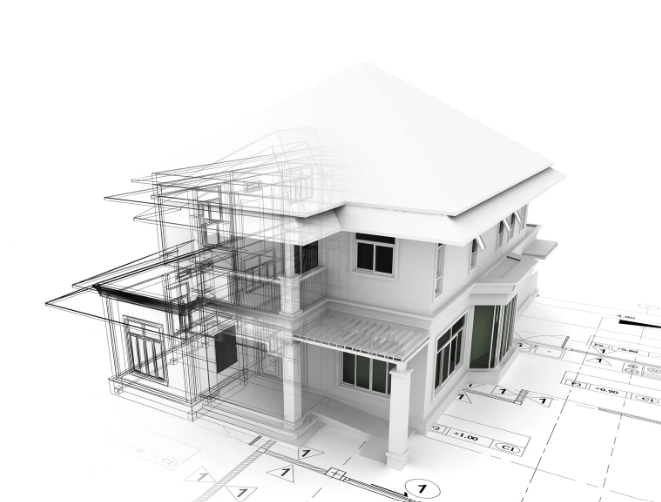
Photo by Mindklongdan on Canva
8. After investing in BIM content, how can I maximize my ROI?
You can measure BIM ROI through metrics such as:
- BIM file downloads and views
- Product page traffic and engagement
- Specification requests and project leads
- Increased product specifications in project documents
- Direct feedback from architects, engineers, and contractors
- Growth in project opportunities where BIM content was used
When you publish your BIM content on CADdetails, you gain access to detailed intent data that shows exactly who downloaded your files, which products they viewed, and when they engaged with your content. This allows your sales and marketing teams to identify active project interest, prioritize qualified prospects, and follow up with specifiers at the right time in the decision-making process. Rather than relying solely on download counts, you can connect BIM engagement directly to lead generation and specification opportunities.
Learn more about CADdetails Analytics here.
9. What role will AI and automation play in the future of BIM modeling?
Today, creating BIM models often requires significant manual effort, but emerging technologies are helping automate repetitive tasks such as model generation, data population, quality assurance, and content updates. AI can help streamline the process of converting product data into BIM-ready content, reducing development time and improving consistency across product libraries.
For AEC professionals, AI is increasingly being used to recommend relevant BIM products, identify design conflicts, validate specifications, and optimize building performance based on project requirements. As AI-powered design tools become more prevalent, manufacturers have a growing opportunity to ensure their BIM content is discoverable, data-rich, and positioned for recommendation within these workflows.
Discover how to optimize your BIM content for AI recommendations here.
Ready to Build Your BIM Strategy?
Whether you're developing your first BIM objects or expanding an existing library, investing in accurate, spec-ready content is an important step toward meeting the evolving needs of specifiers. The manufacturers that succeed will be those that not only create great BIM content but also ensure it reaches the right audience.
At CADdetails, we help manufacturers identify the products best suited for BIM development, create high-quality BIM content, and distribute it to a targeted audience of AEC professionals actively searching for products to specify. Combined with powerful engagement analytics and intent data, manufacturers gain valuable insight into how their BIM content is being used and who is interacting with it—turning BIM from a design asset into a business development tool.
Ready to get started? Learn more about CADdetails' BIM design services here.
Cover image by Alim on Unsplash